The story of Edward S. Hynes (1897–1982), a celebrated caricaturist, keen traveller and one of Bayfield House's more colourful residents.
Every old house has its stories, and Bayfield has quite a few. One of our favourites belongs to Great Uncle Edward — or Lolly, as he was known locally — an artist, sailor and rather larger-than-life character who eventually made Bayfield his home.
Born in Nottingham in 1897, Edward Sylvester Hynes was one of eight children, with family roots firmly planted in County Clare. His father, Edward Charles Hynes, came from Bayfield, and although Edward's early life took him far from the Burren, the old family house would eventually draw him back.
Uncle Edward: The Artist Who Came Home to Bayfield
From the High Seas to London's High Society
Edward's first career had little to do with drawing.
As a young man, he went to sea, training as a navigating officer and serving in the Merchant Navy. He even spent three years studying medicine at Sheffield University, although the pull of travel proved rather stronger than the prospect of becoming a doctor.
Eventually, he found himself in London, where a chance caricature of Earl Beatty helped set him on an entirely different course.
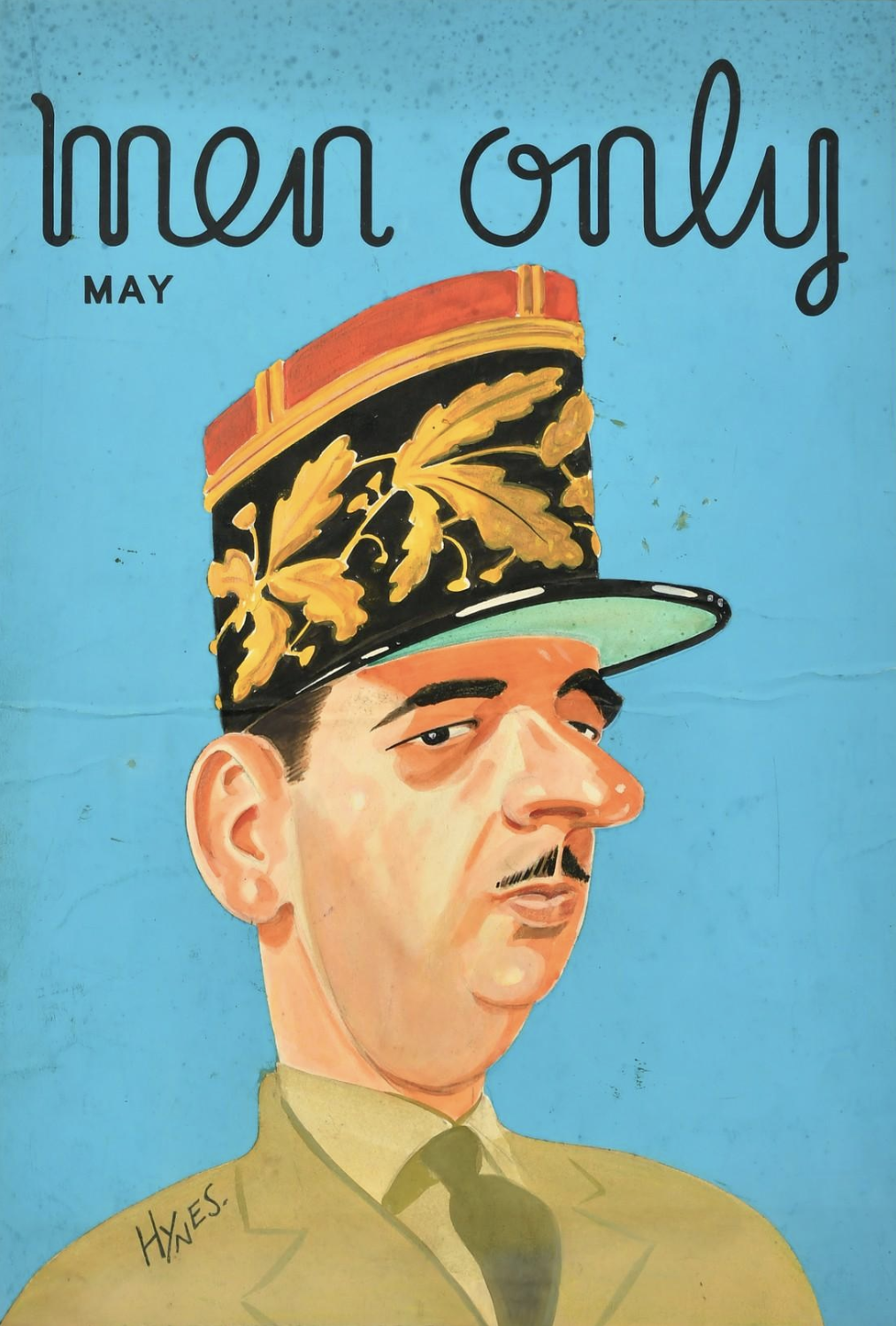
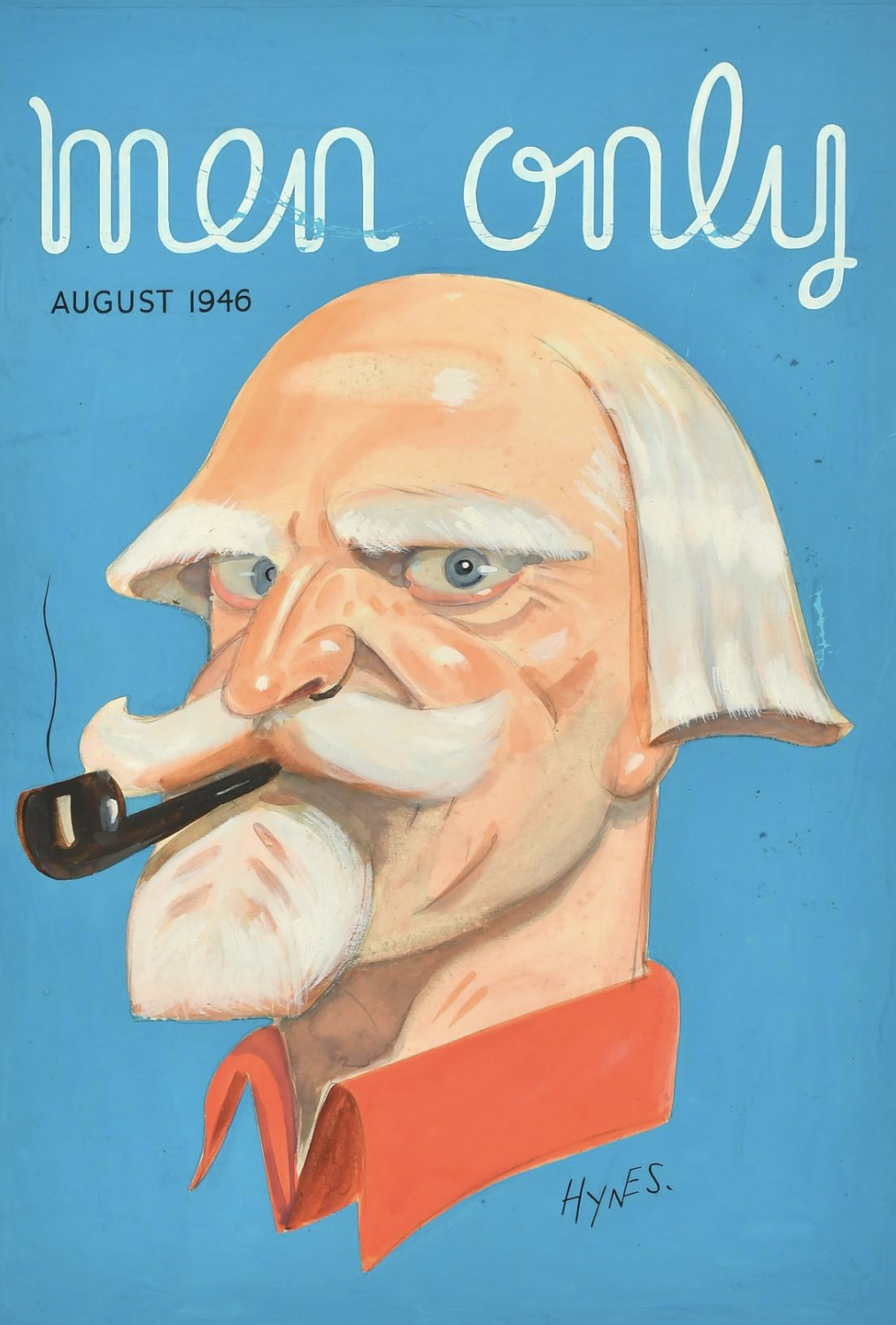
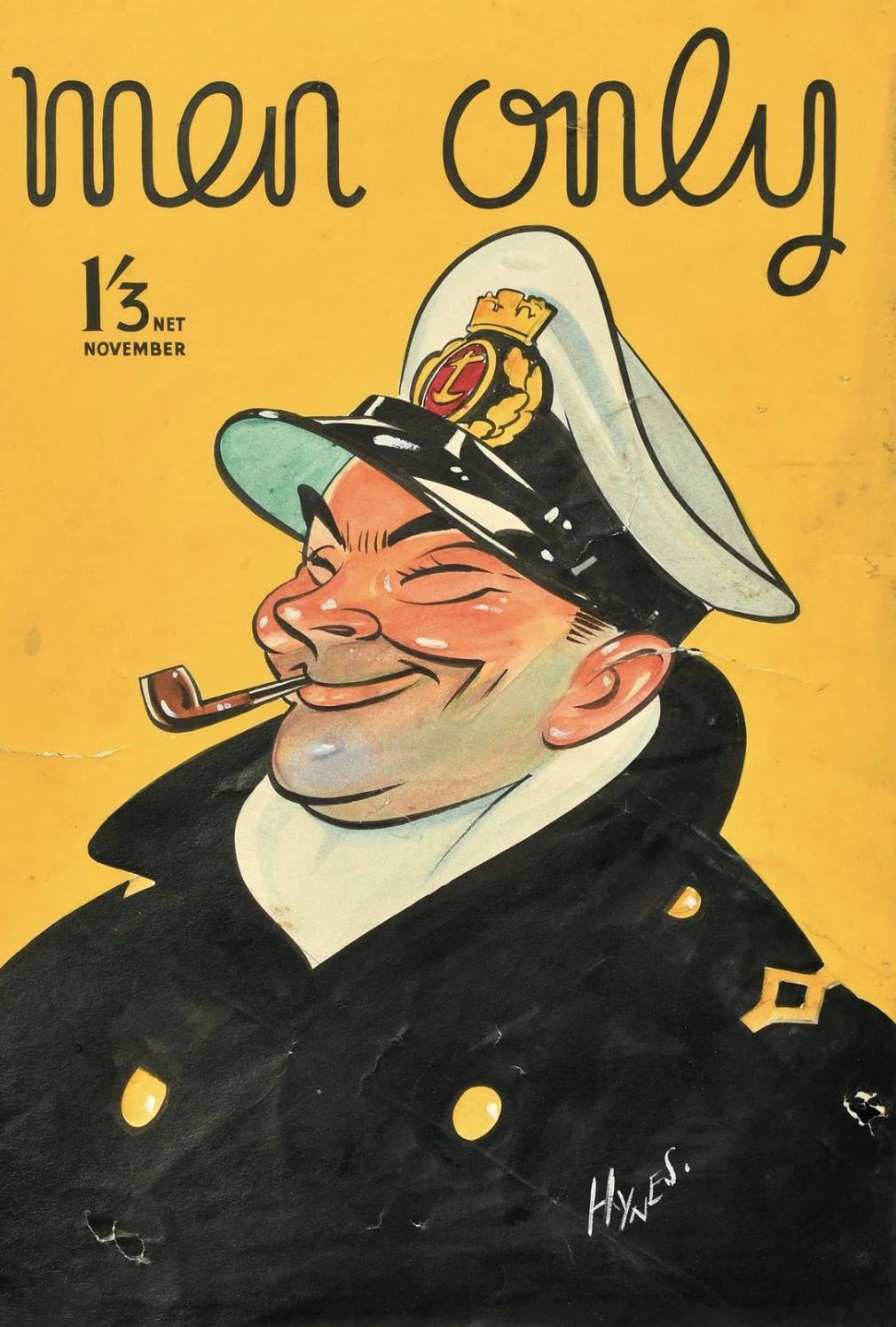
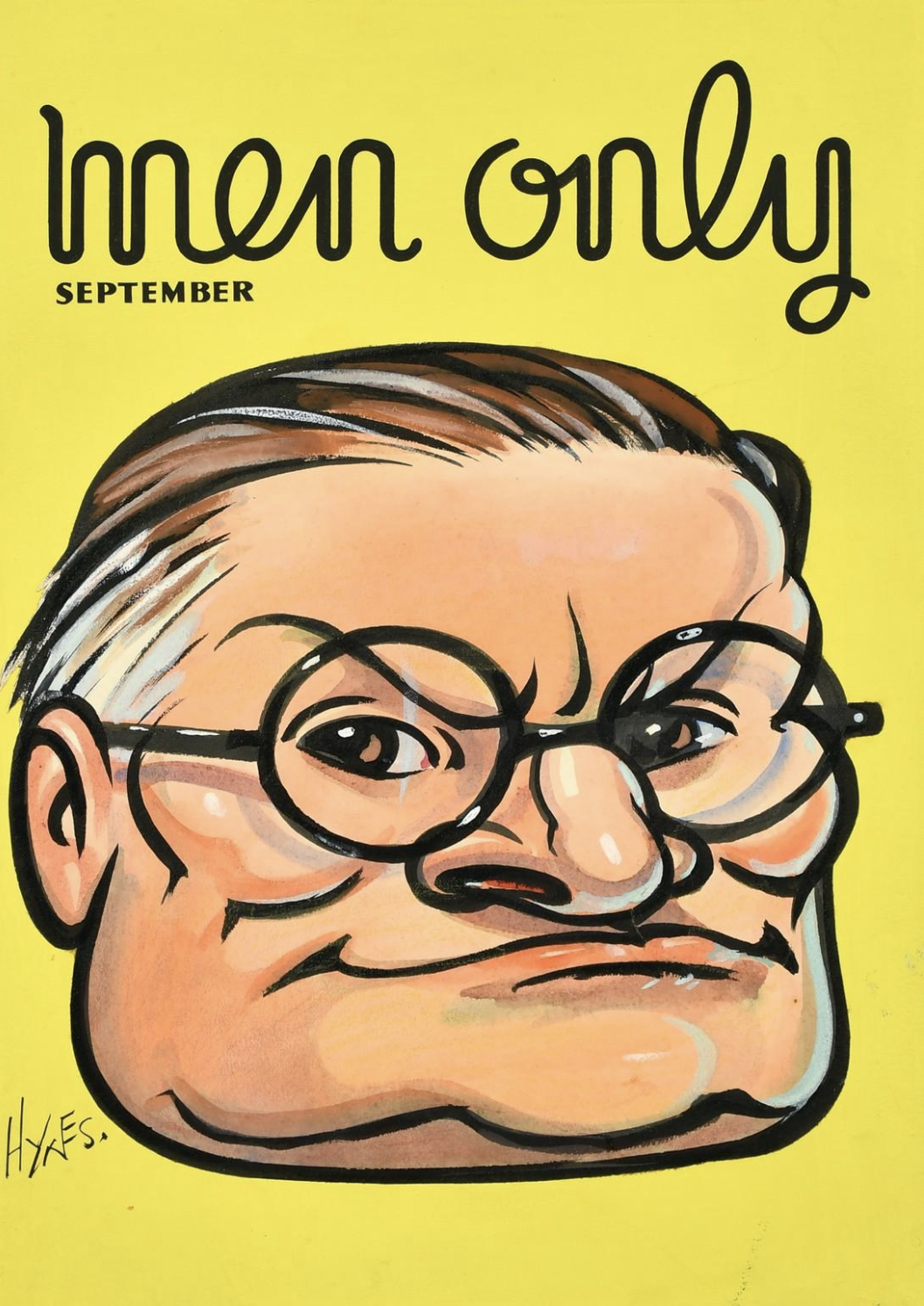
Edward had a remarkable talent for observing people — particularly their little peculiarities — and turning those observations into wonderfully sharp, often mischievous drawings.
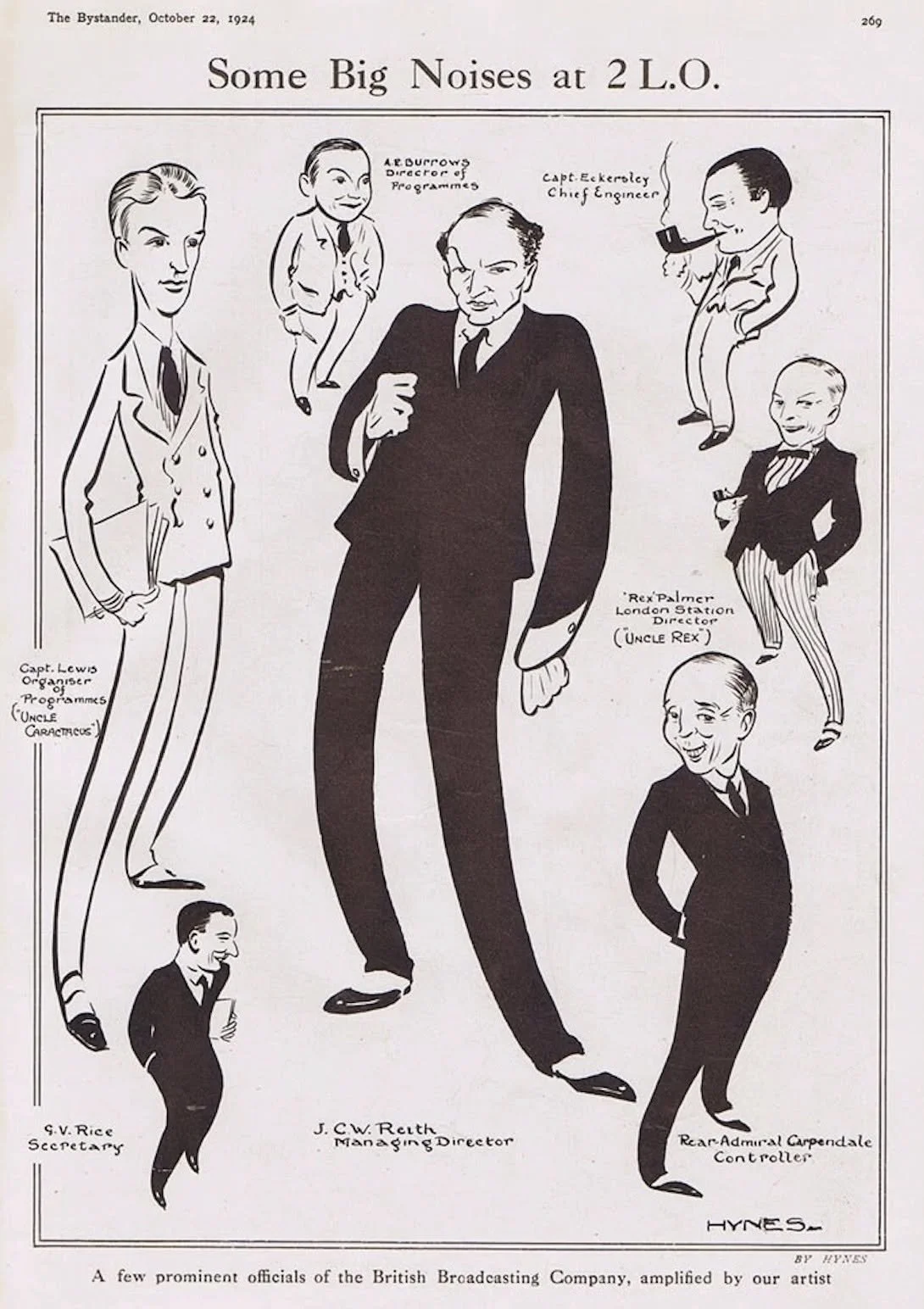
By the mid-1920s, his caricatures were appearing in some of Britain's best-known newspapers and magazines, including The Bystander, Tatler, The Illustrated Sporting and Dramatic News and The Evening News.
His subjects ranged from politicians and writers to actors and society figures. Winston Churchill, Cecil Beaton and Somerset Maugham were among the famous faces he portrayed.
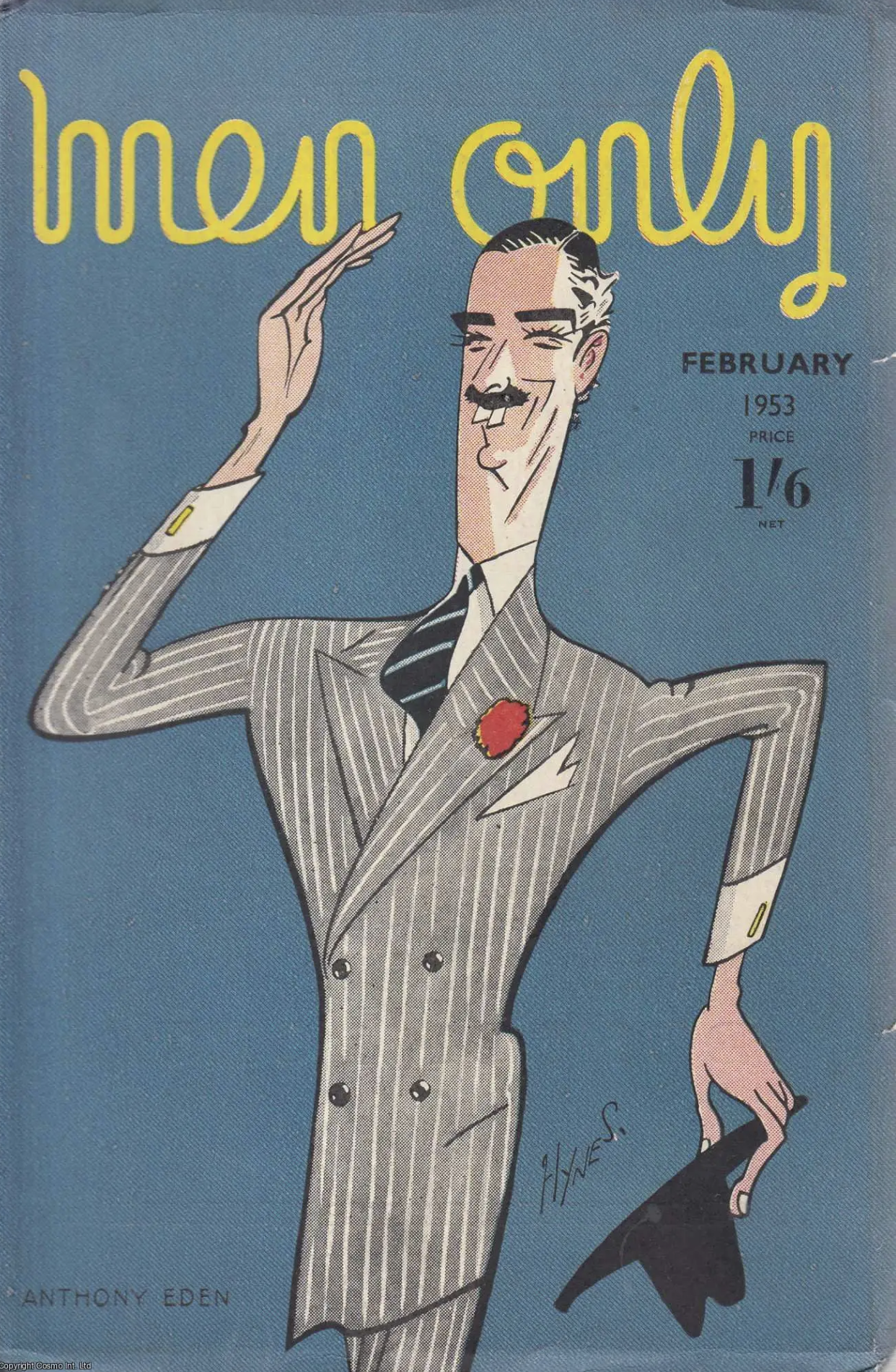
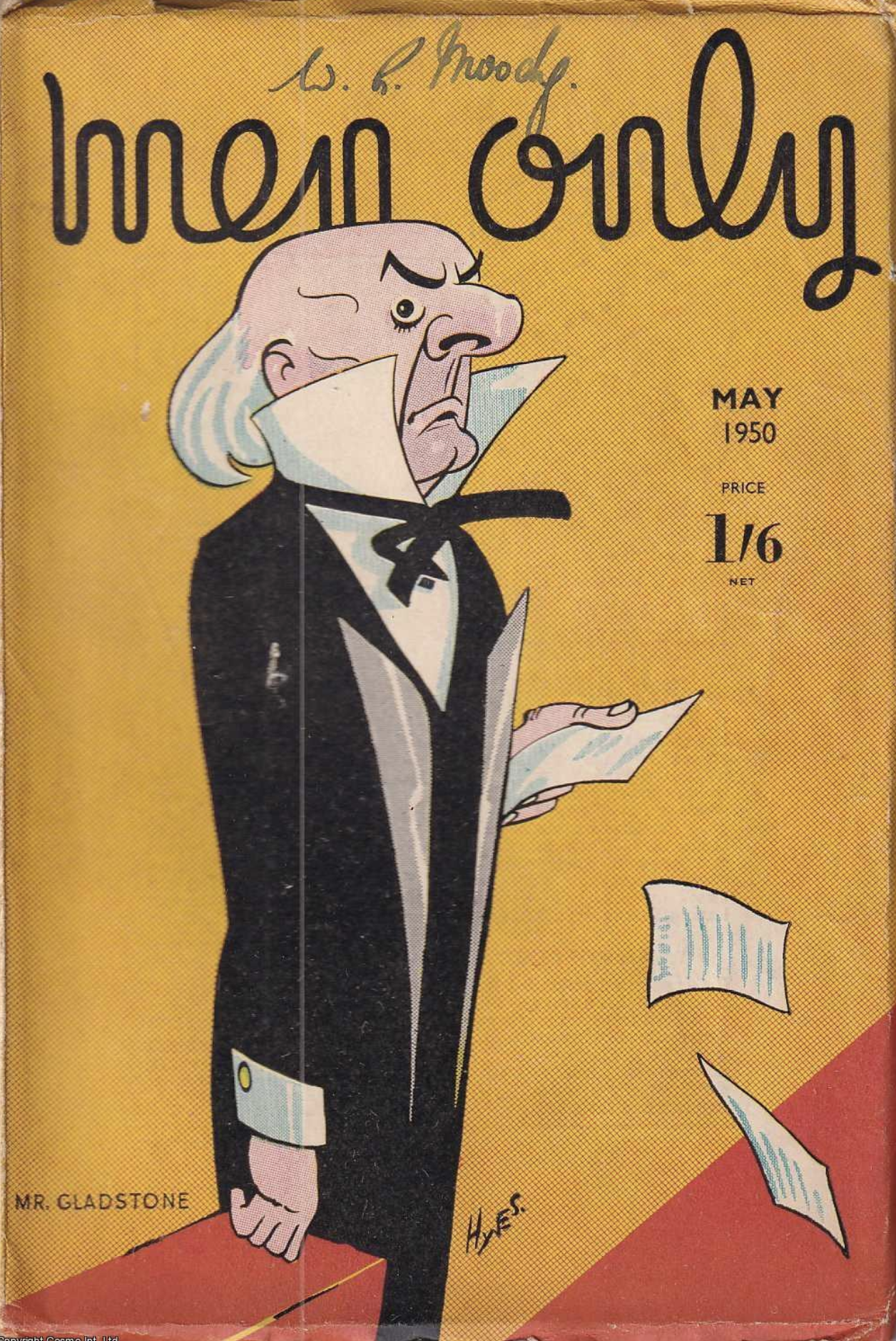
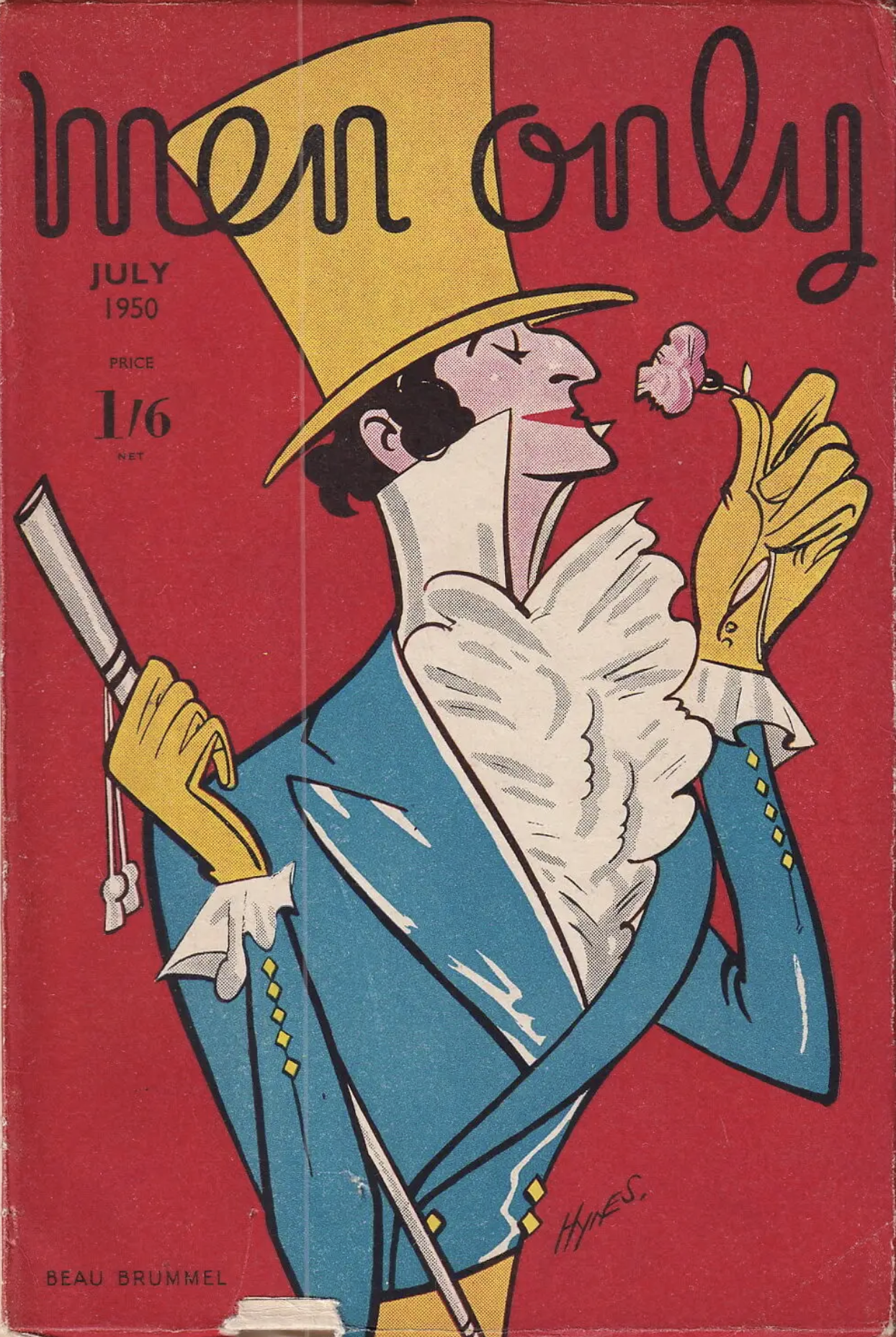
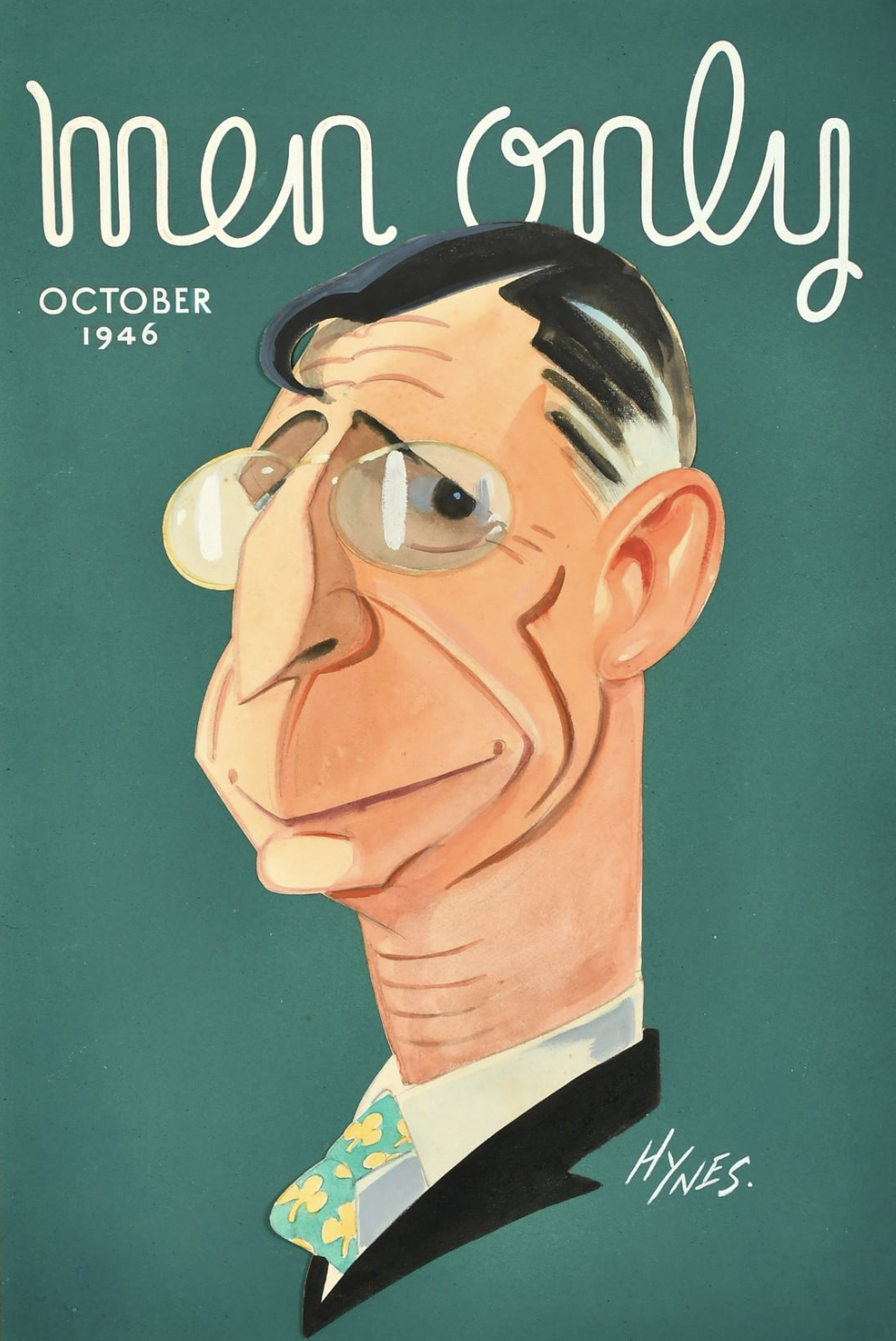
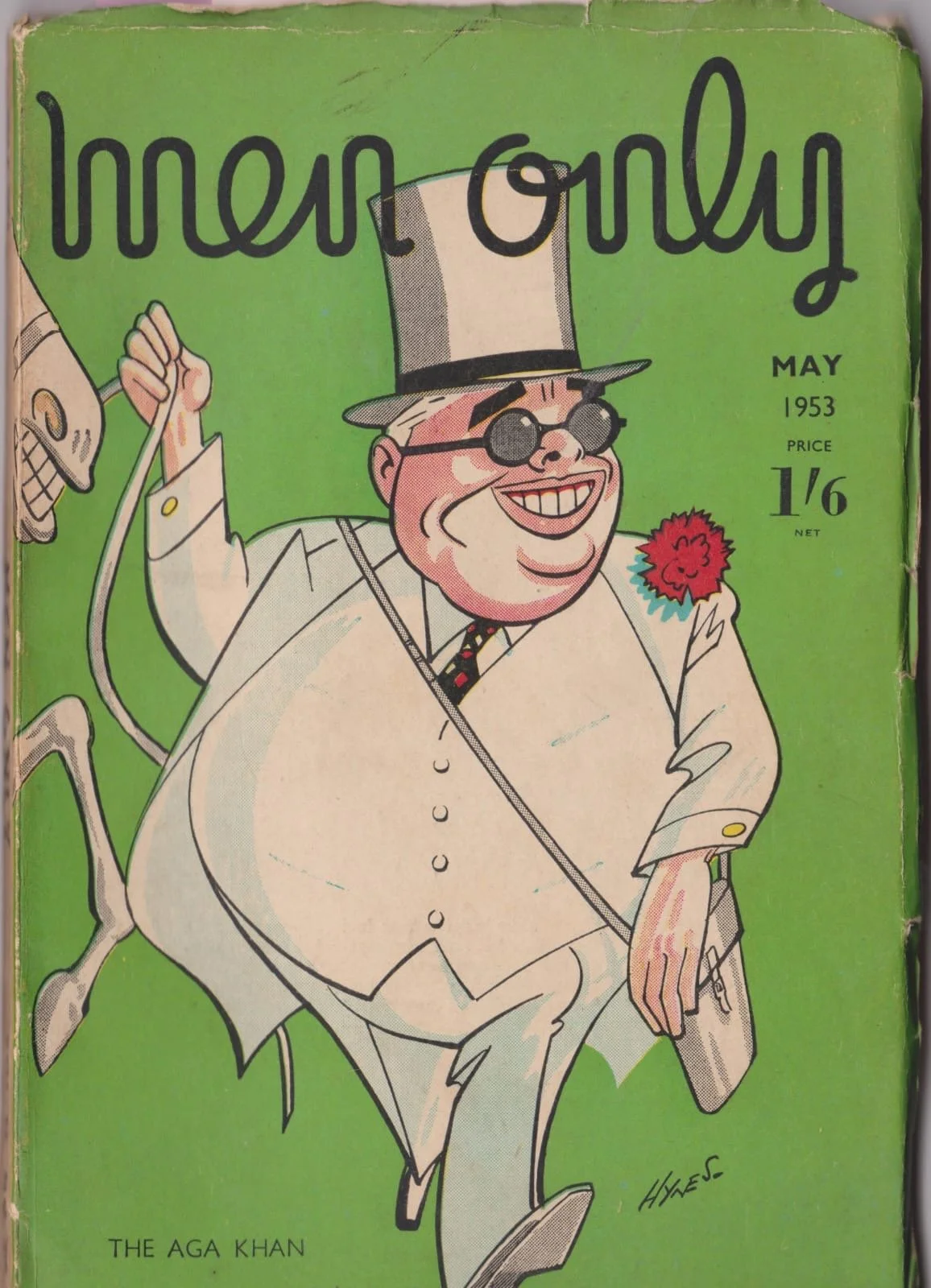
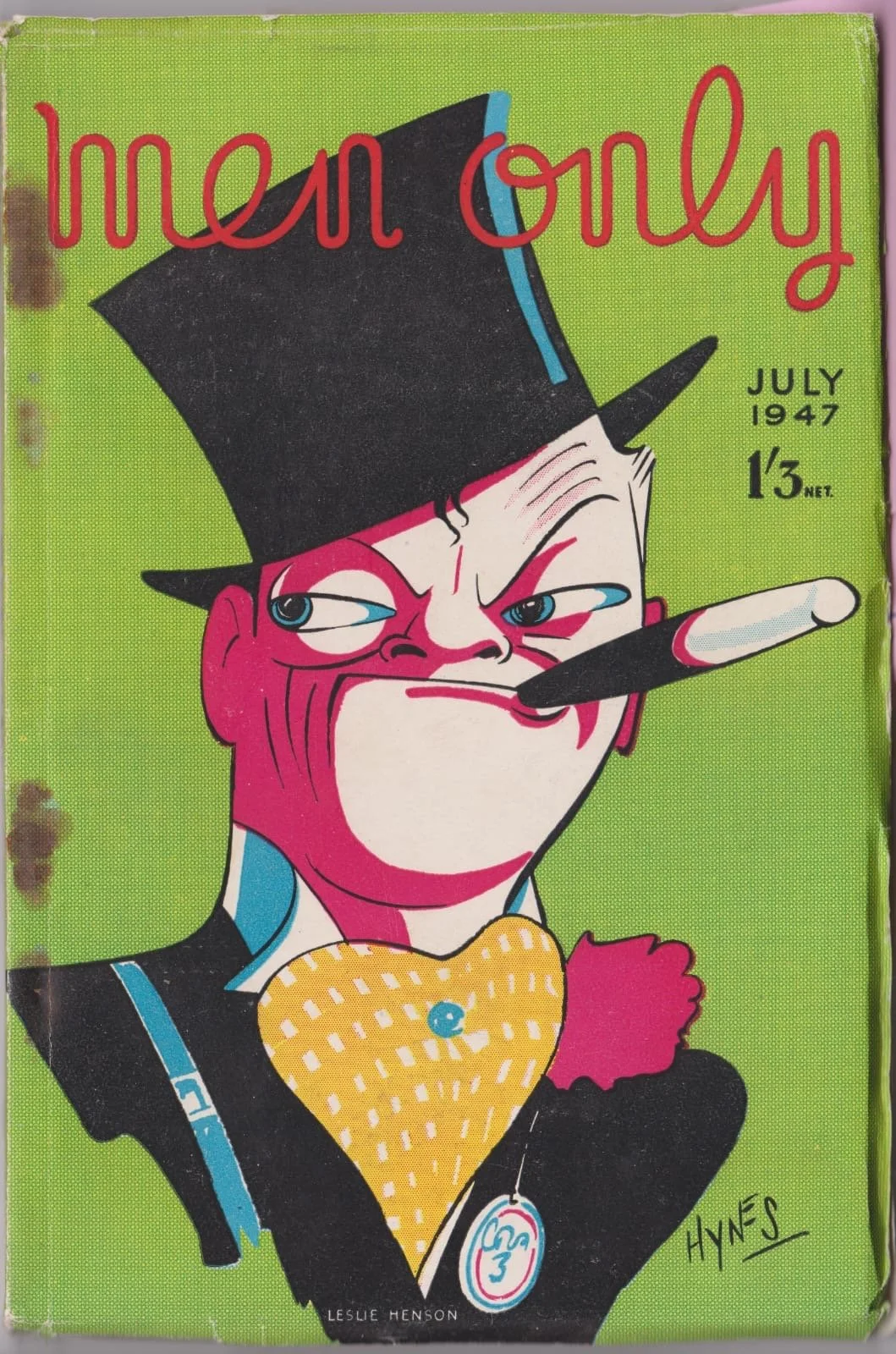
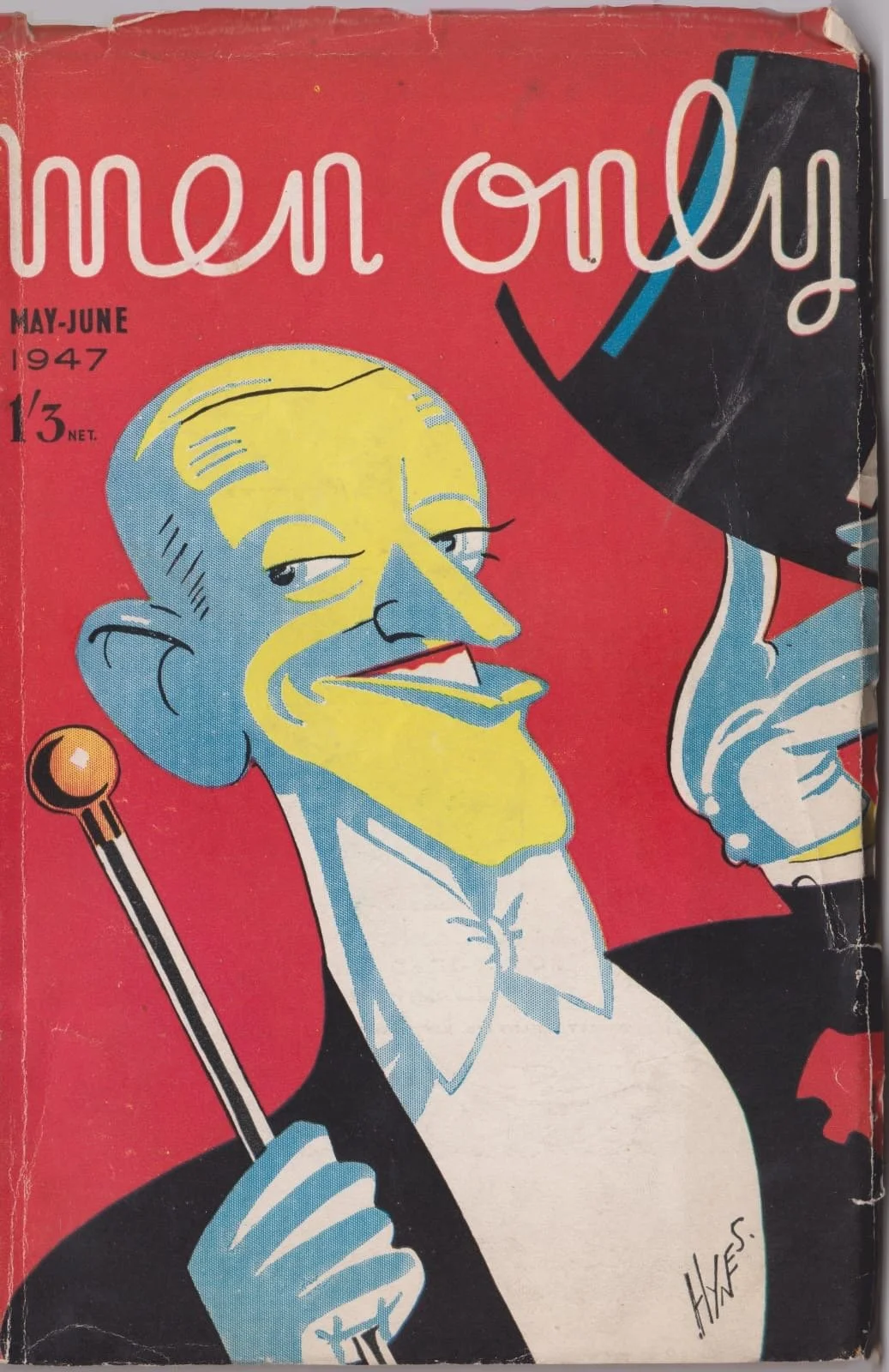
Edward became particularly well known for his illustrated covers for Men Only, a popular magazine of the period, which he continued producing until 1956.
It was a rather glamorous existence. His work took him into London's theatres, restaurants, sporting events and fashionable social gatherings — all providing an endless supply of interesting characters for his pencil.


Edward was largely self-taught, but his reputation grew to the point where he was invited to explain his techniques to aspiring artists.
His advice was wonderfully direct. A good caricaturist, he believed, needed two things above all: a sense of humour and the ability to observe people closely.
He encouraged young artists to develop their own style, practise constantly and, importantly, remember that even artists needed to earn a living.
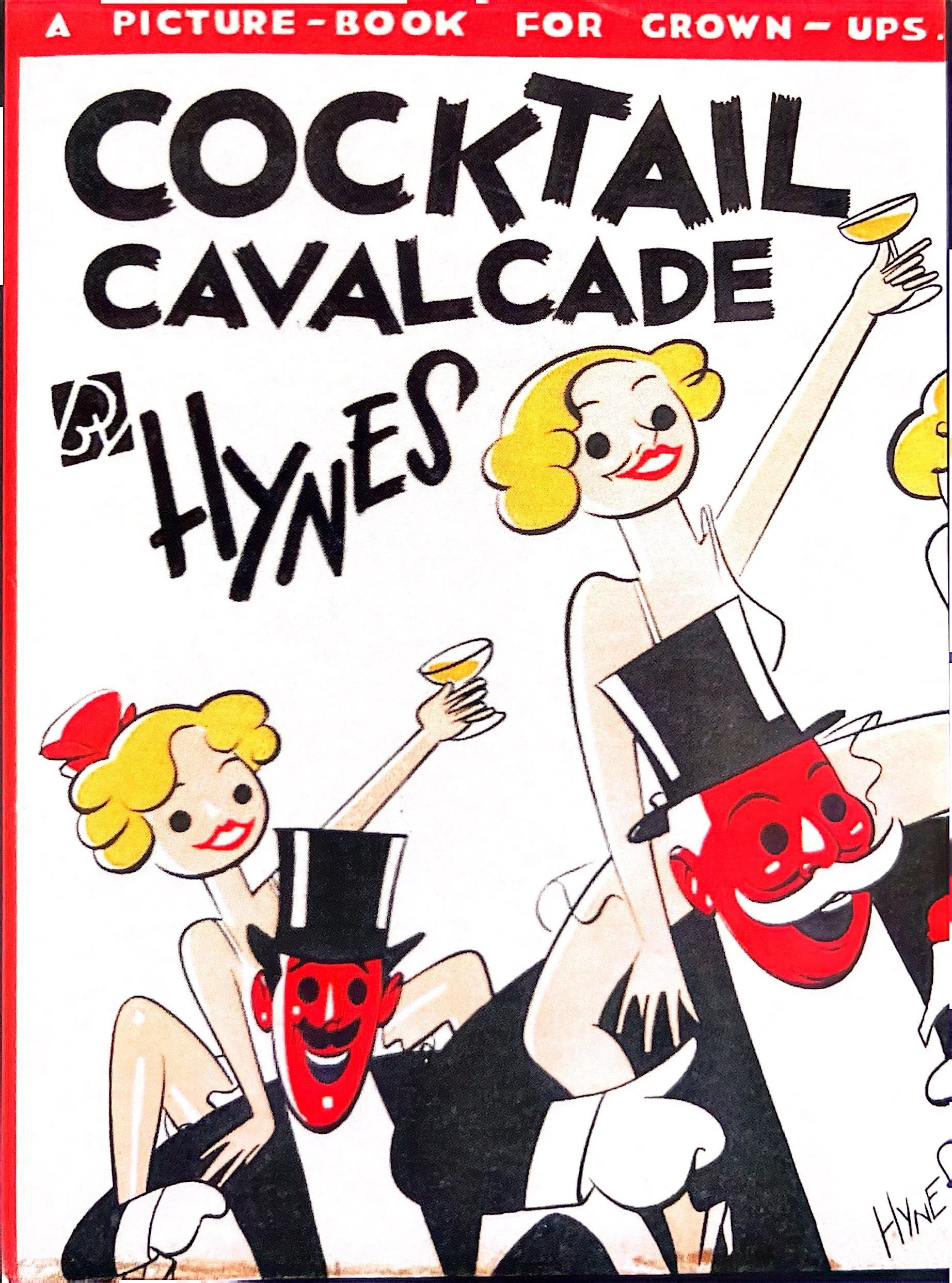
In 1937, he published Cocktail Cavalcade, a collection of humorous drawings that captured the wit and social absurdities of the age.
One can imagine Edward being rather entertaining company at a dinner party — although perhaps you might have been slightly nervous about finding yourself in his next cartoon.
A Keen Eye and a Sense of Humour
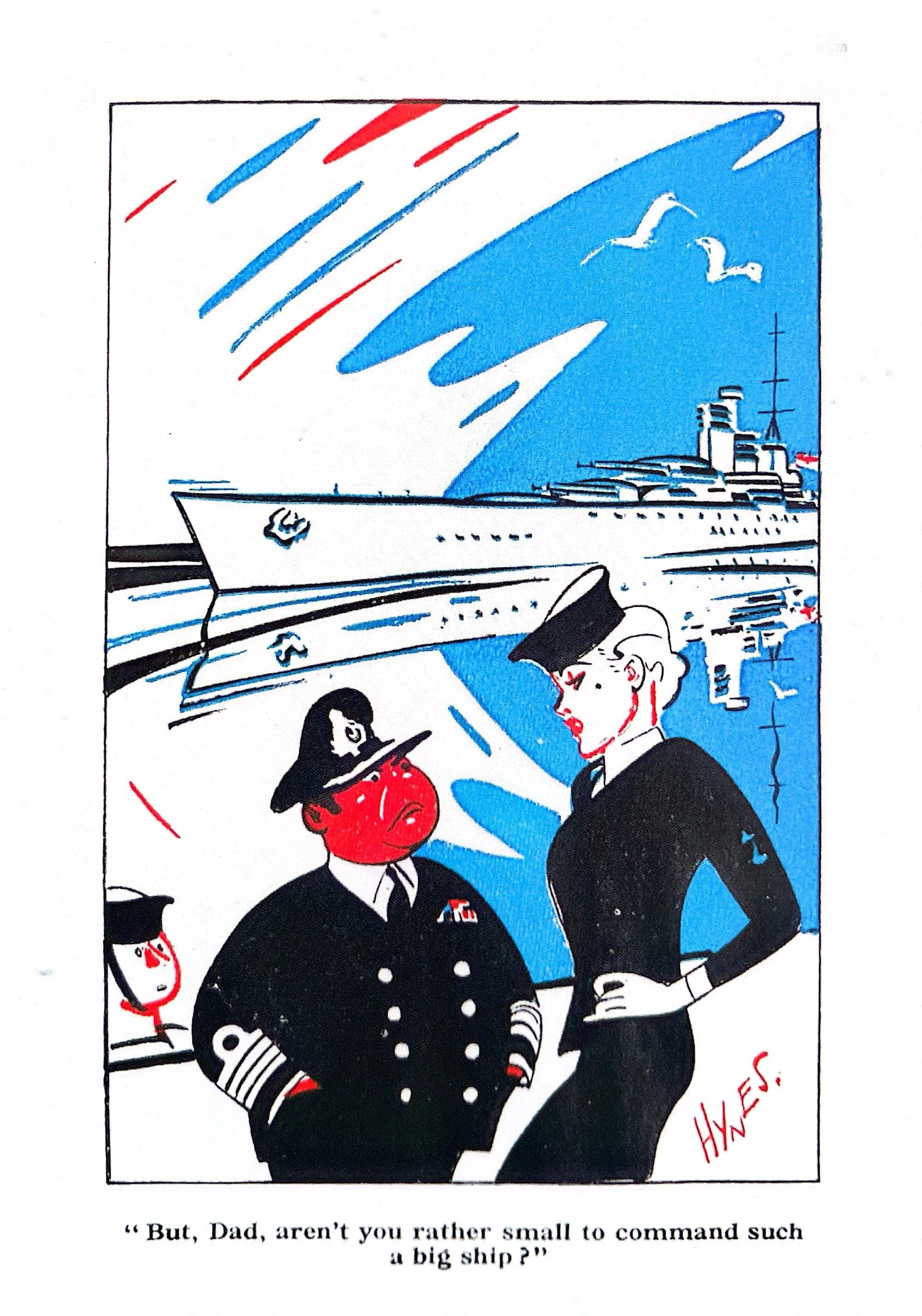

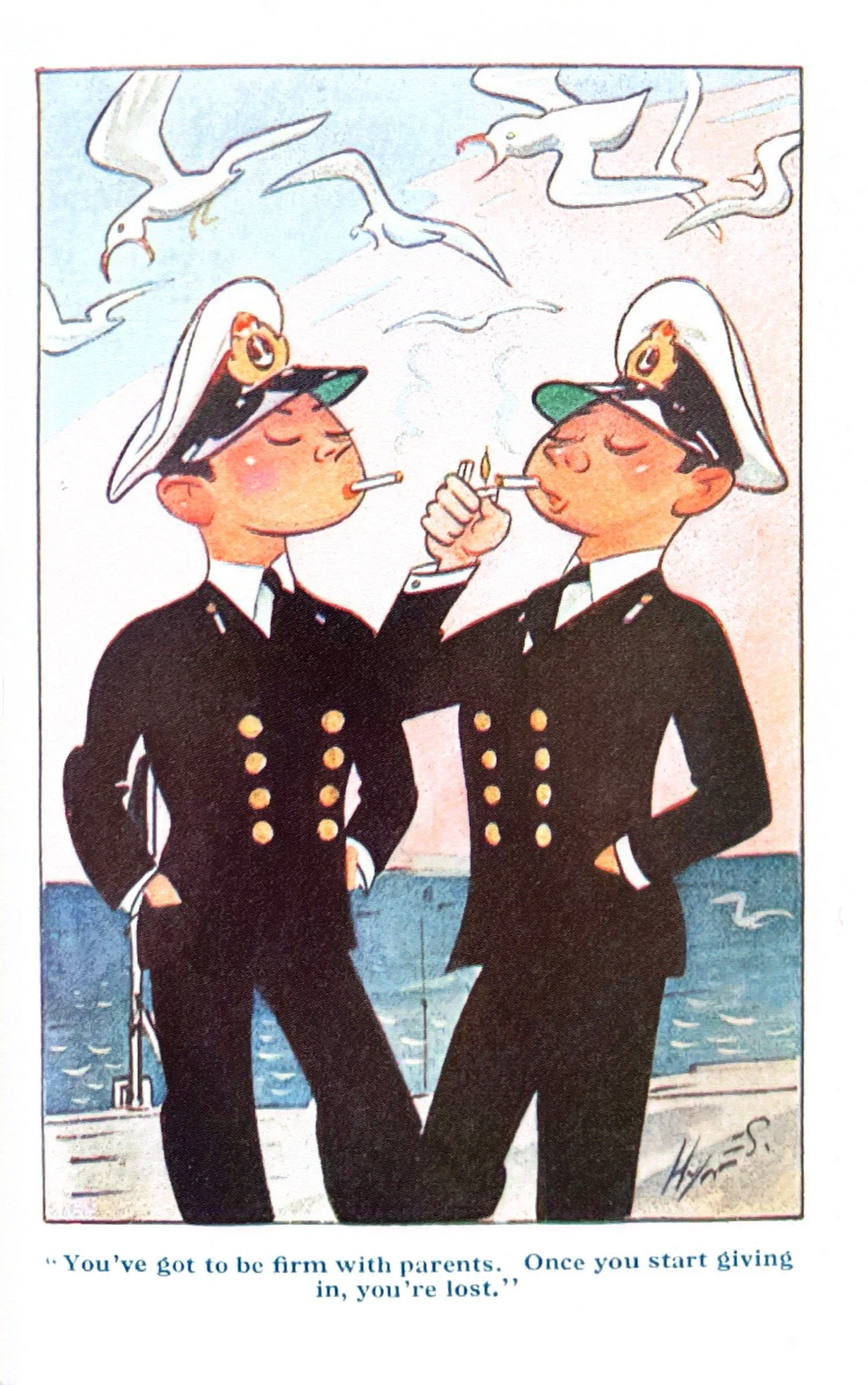
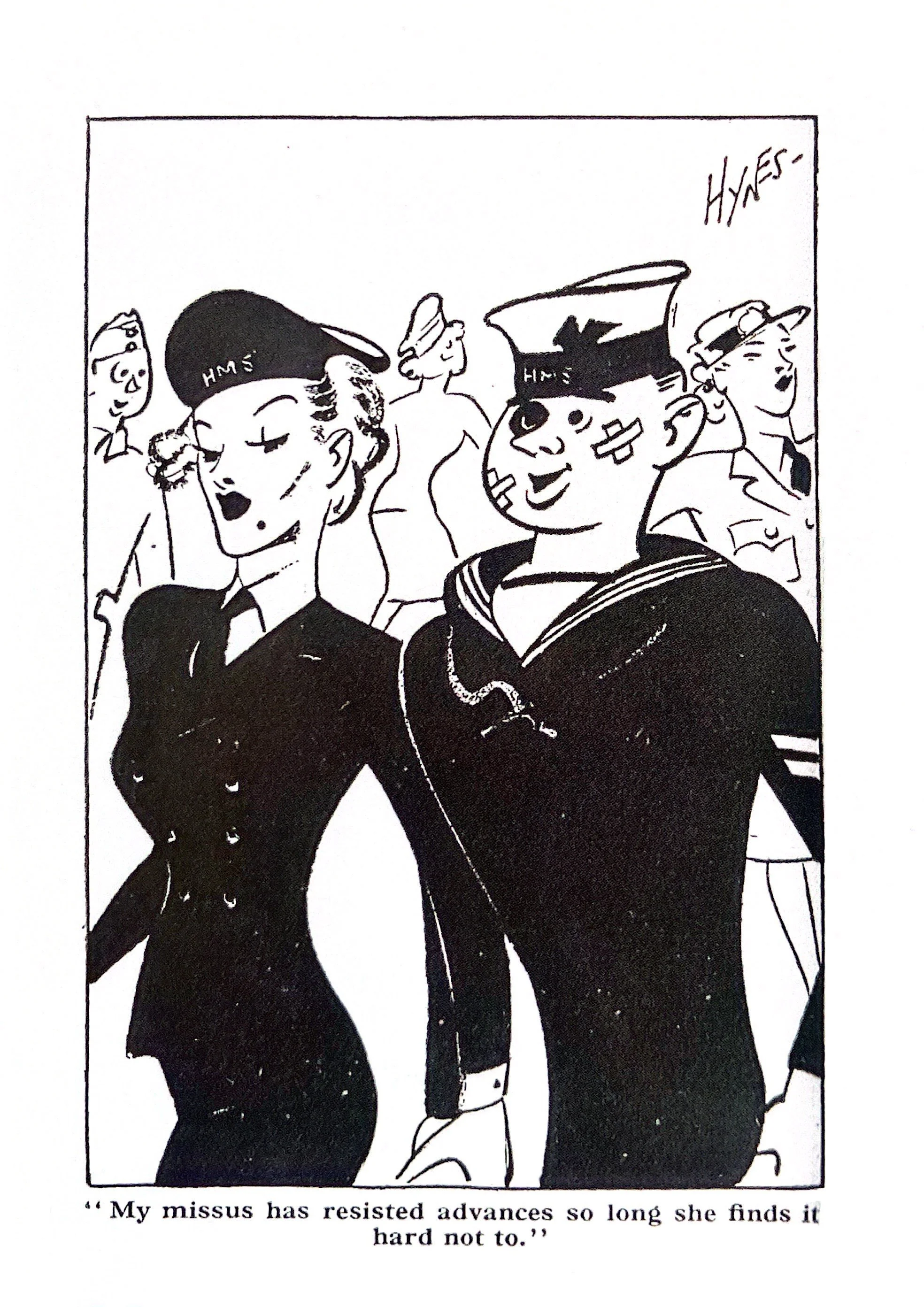
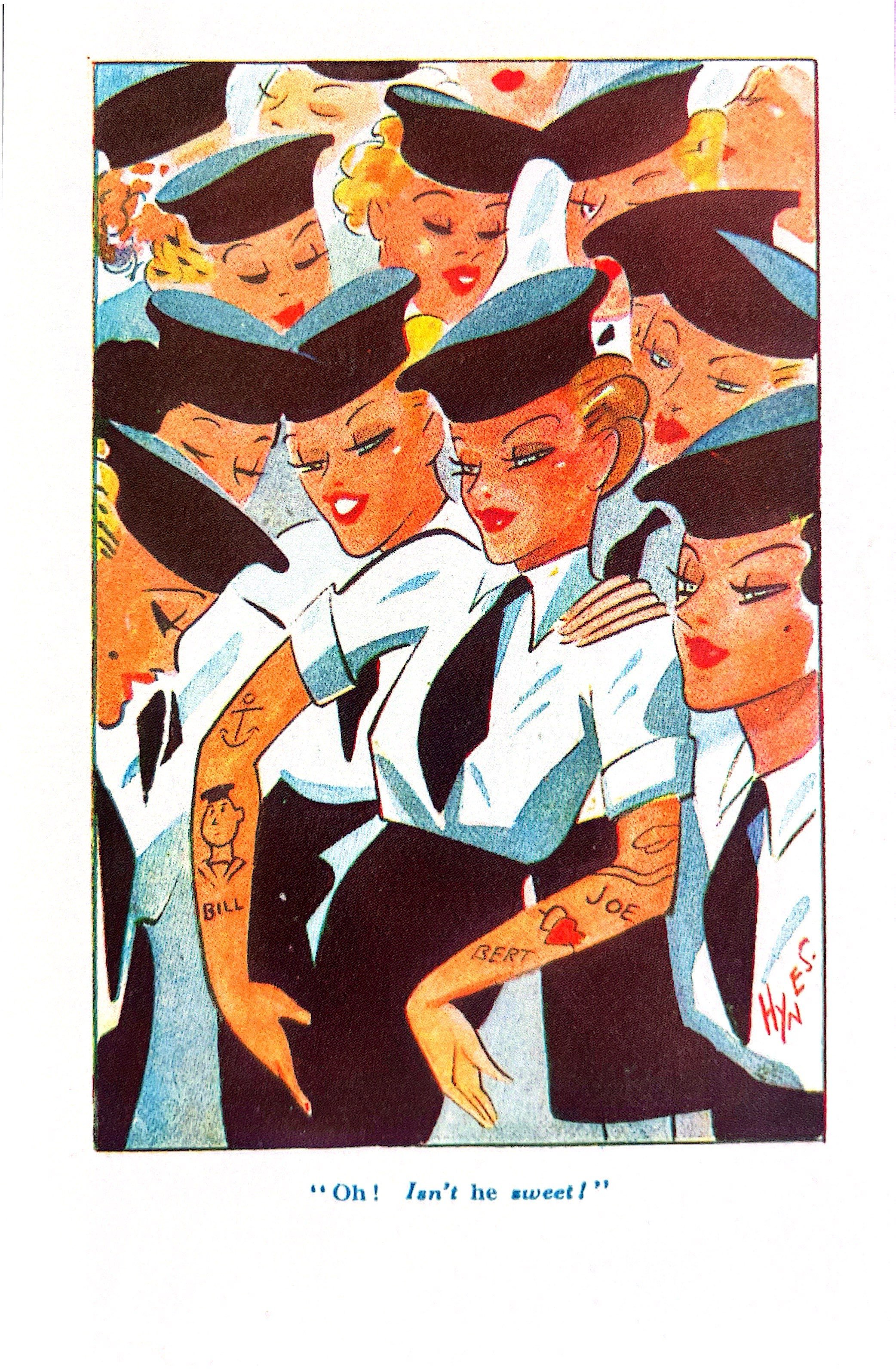
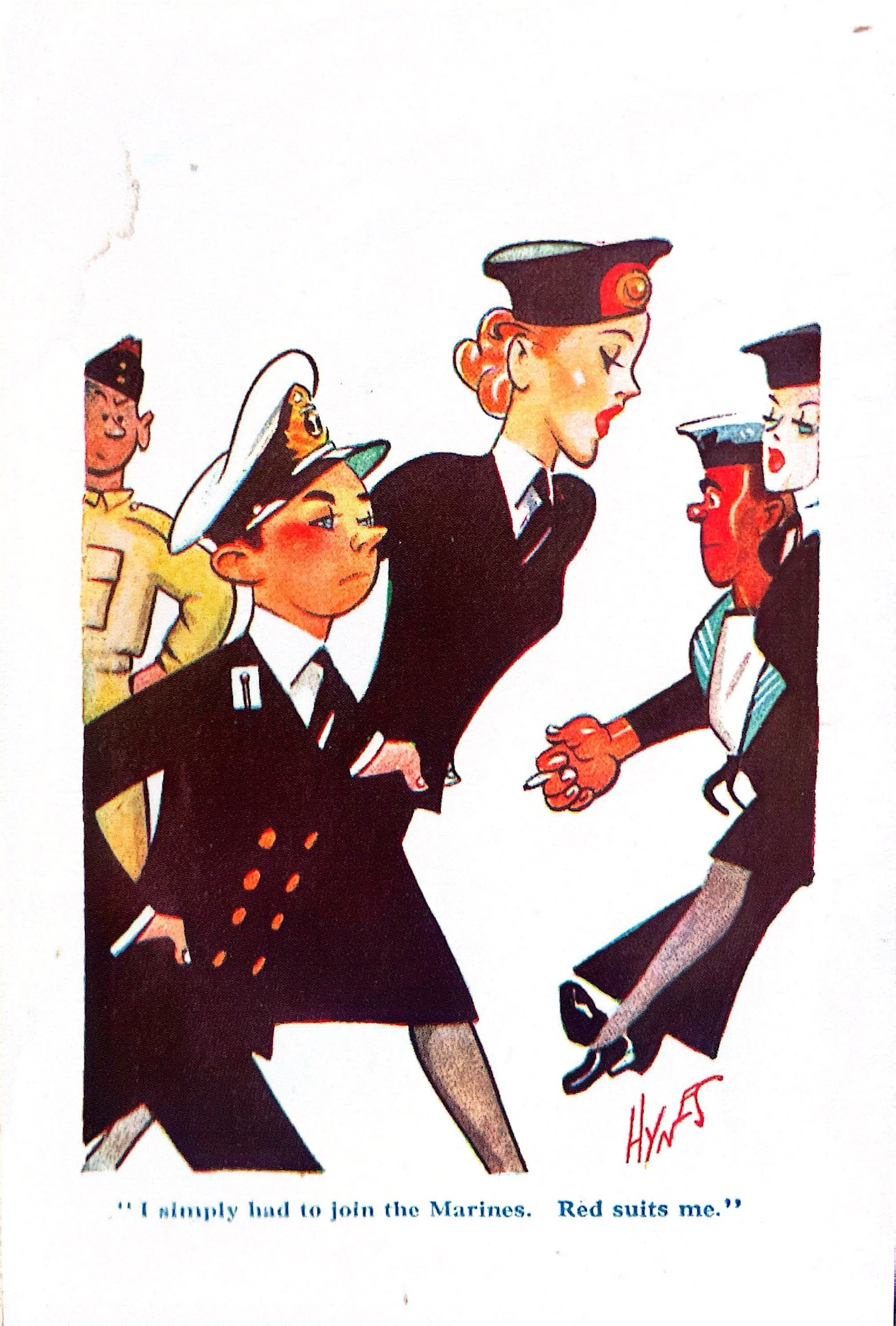
After years in London, Edward eventually returned to Bayfield, the family home at New Quay on the shores of Galway Bay.
It must have been quite a change of scenery: from fashionable London clubs and crowded theatres to the quiet fields, limestone hills and Atlantic skies of the Burren.
But Edward doesn't appear to have become particularly reclusive.
Friends continued to visit from Britain, and by local accounts he enjoyed throwing lively parties. He carried on painting, turning increasingly to oils and charcoal sketches, and welcomed a steady stream of visitors to the house.
He also acquired the rather wonderful nickname.
Apparently, Edward regularly visited the local post office to collect his copy of Lilliput, the illustrated magazine. To local ears, the title sounded rather like lollipop, and before long Edward became known simply as Lollypop.
The name stuck.
It seems a fitting nickname for someone who had spent so much of his life finding humour in the world around him.
Coming home to the Burren
A little of Edward still lives here
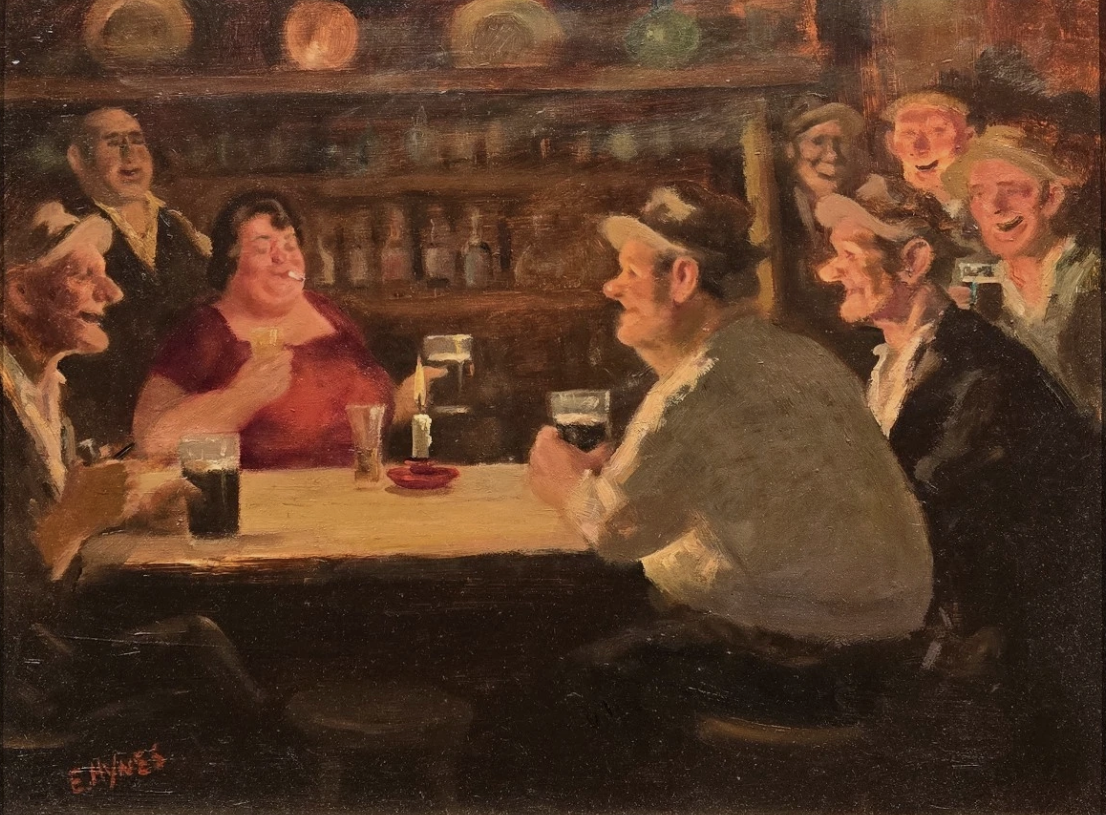
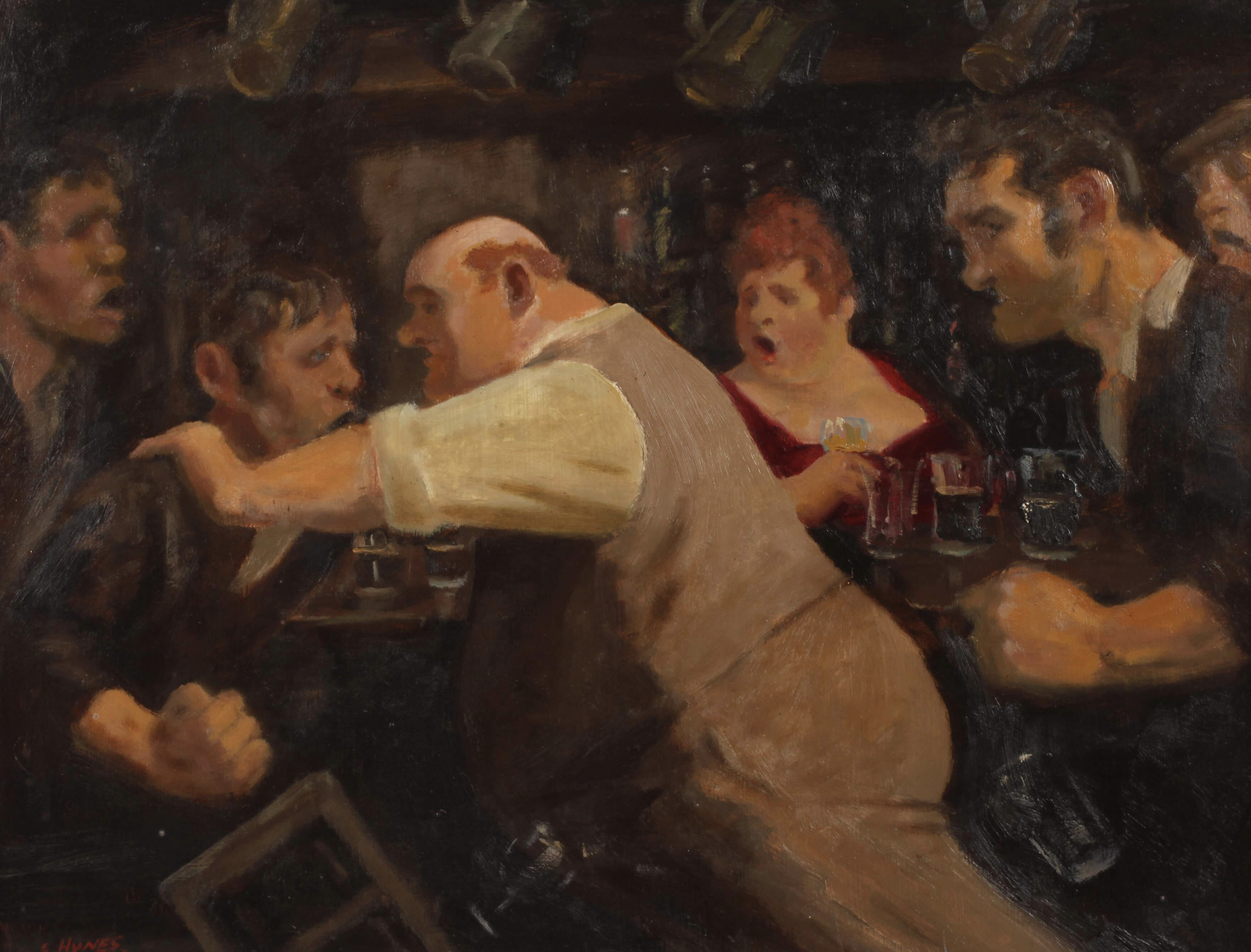
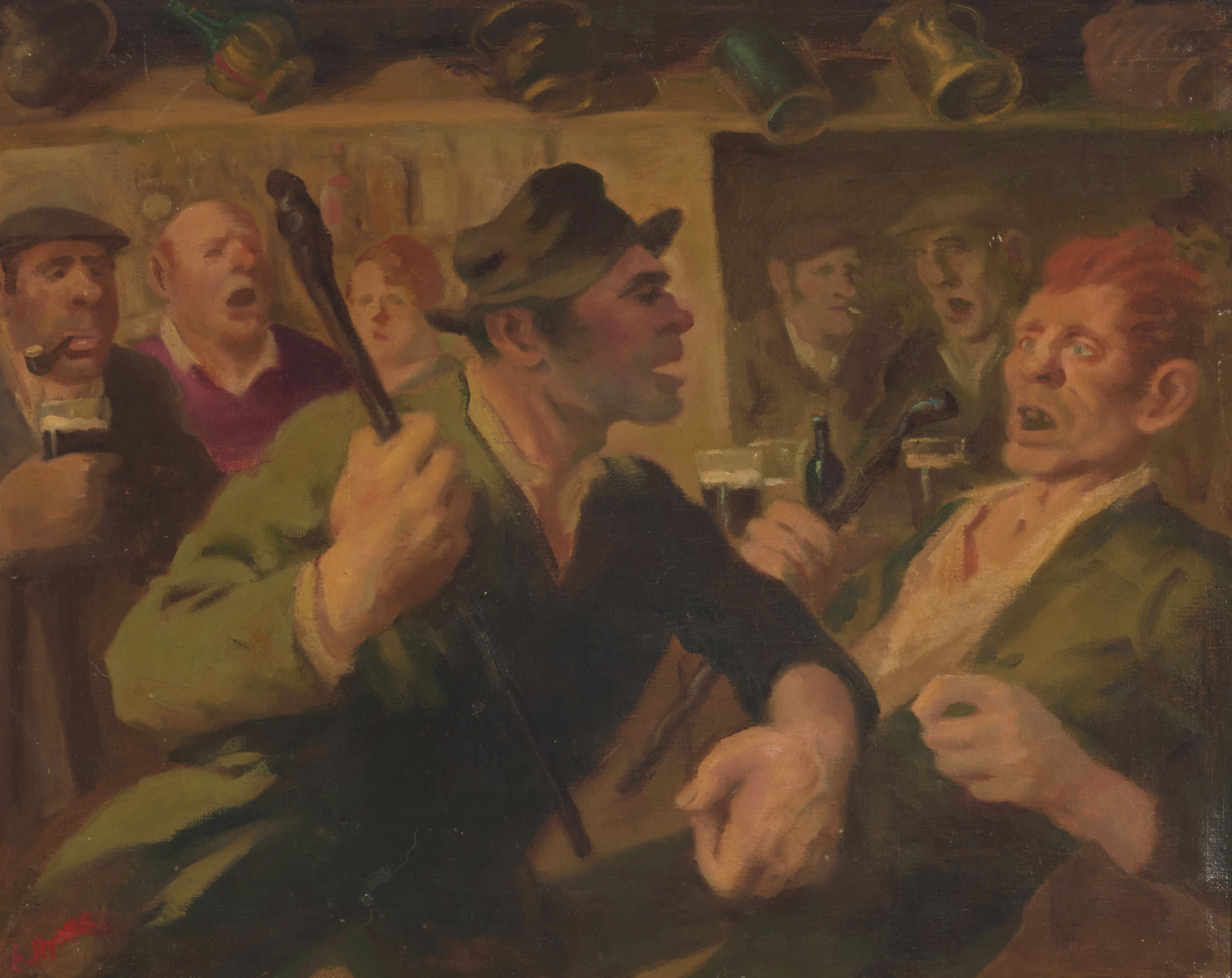
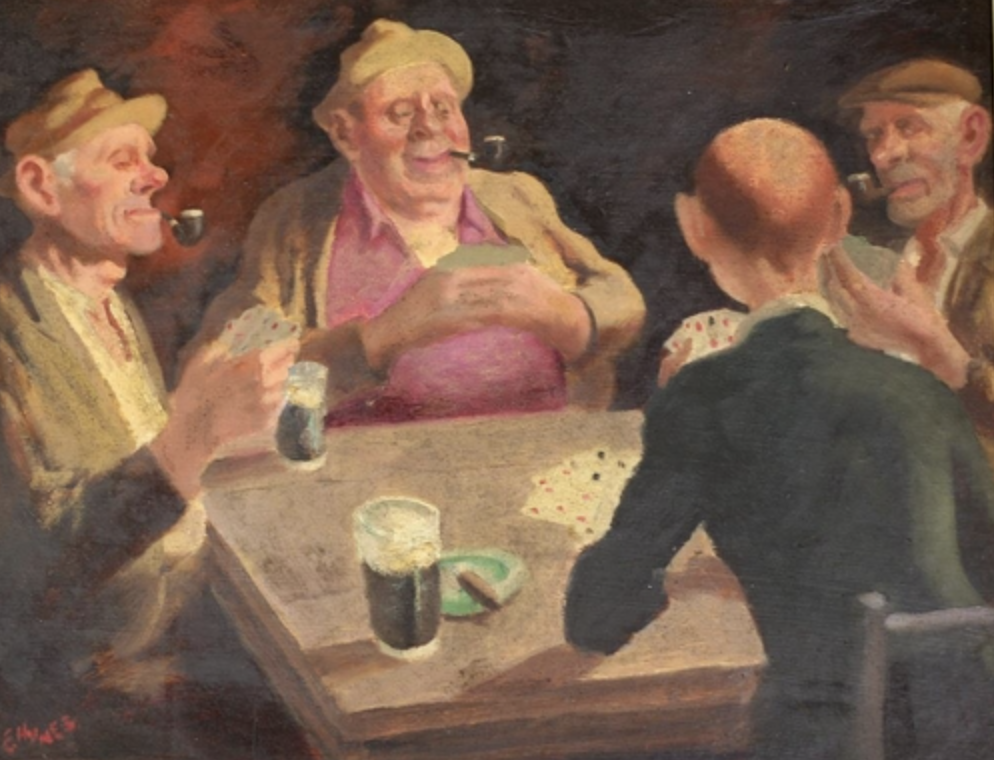
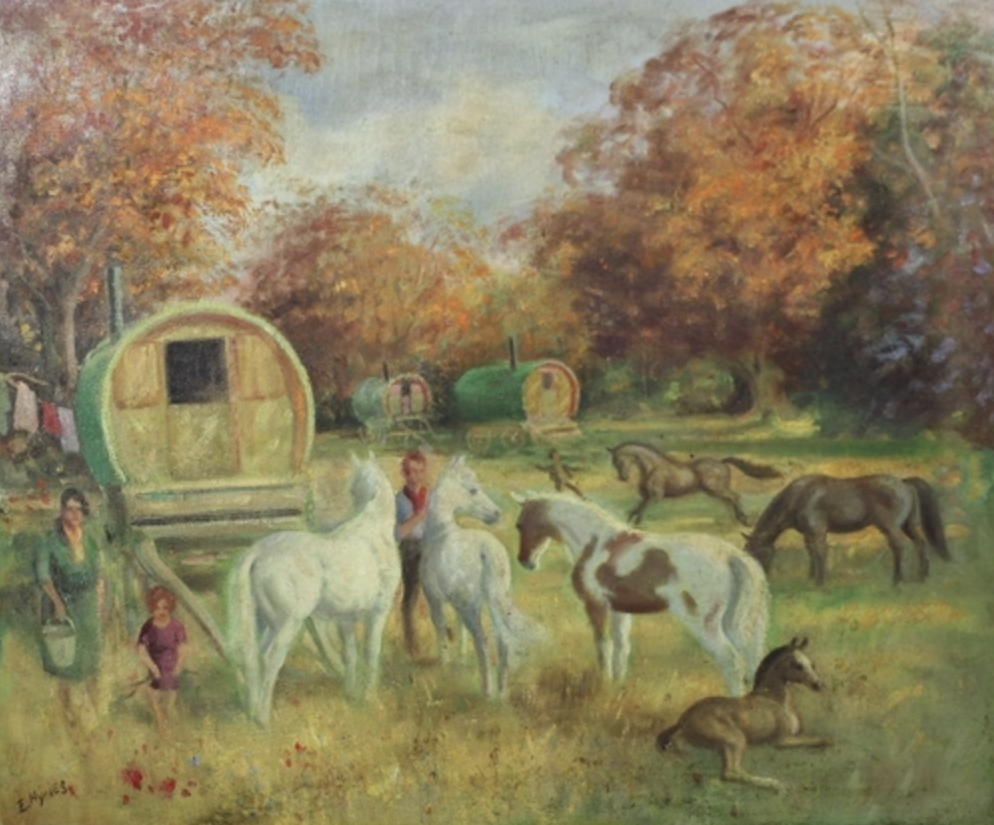
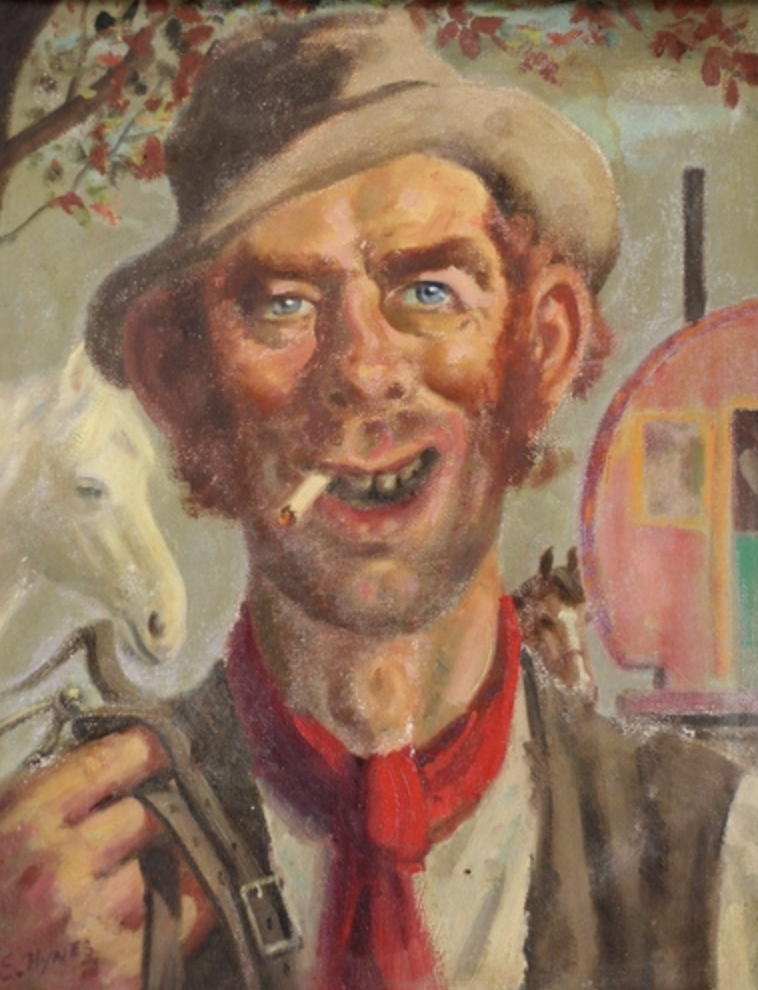
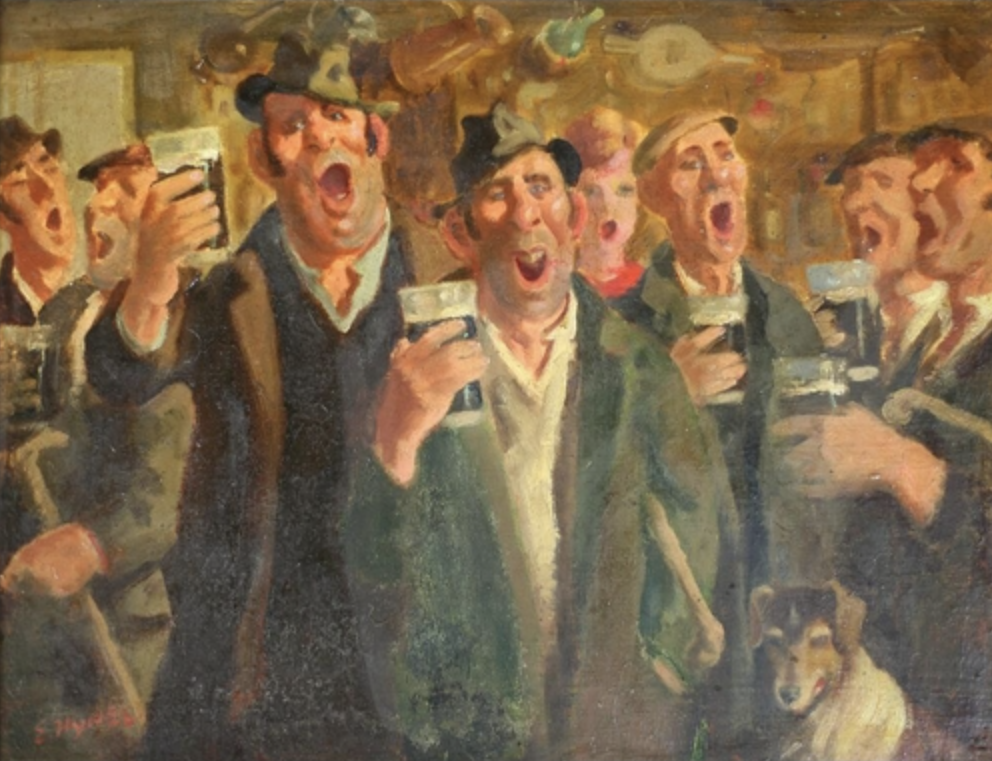
Although Edward made his name as a caricaturist and illustrator, he was also an accomplished oil painter. Some of his most interesting works are his Irish paintings, capturing scenes of ordinary life — the people, places and everyday moments that caught his observant eye.
And if you'd like to see some of his original work for yourself, there's a rather good excuse for a day out: Durty Nelly's pub beside Bunratty Castle, where some of Edward's paintings can be seen. A pint of Guinness and a little family art history — not a bad combination.
Edward spent his later years at Bayfield and died in May 1982. He is buried in the family tomb at nearby Corcomroe Abbey, one of the Burren's most beautiful historic sites.
His story is part of what makes Bayfield more than just an old farmhouse. Over nearly two centuries, the house has welcomed generations of family, friends and visitors, each leaving something of themselves behind. Edward certainly seems to have left more than his fair share of stories.
We like to think he would approve of Bayfield today: a house still full of people, conversation, good food and the occasional lively evening.
And perhaps, somewhere in the background, Lolly would be quietly observing everyone — pencil in hand, looking for his next subject.
With special thanks to Rowena
This story was inspired by the wonderful research of Rowena, Maxx’s sister, whose dedication to uncovering Uncle Edward's life and artistic career has helped preserve a fascinating chapter of Bayfield's family history. We are very grateful to her for bringing his story back to life and allowing us to share it.